These prominent investment banks exemplify the strength and growing global importance of the African financial ecosystem.
The situation of investment banking in Africa in 2026 shows a growing and expanding market, where institutions are deepening their reach in the region while looking at the uneven economic conditions.
From strong M&A lines to renewed capital activity and gradual improvements in credit markets, leading banks are showing resilience and adaptability across the continent. This year’s winners in the region – Rand Merchant Bank, Standard Chartered, Chapel Hill Denham, and Absa Bank – are setting the pace, delivering landmark deals while strengthening cross-border capabilities.
Their performance underscores a broader shift toward more developed financial markets, as structural challenges persist.
The Best Investment Bank
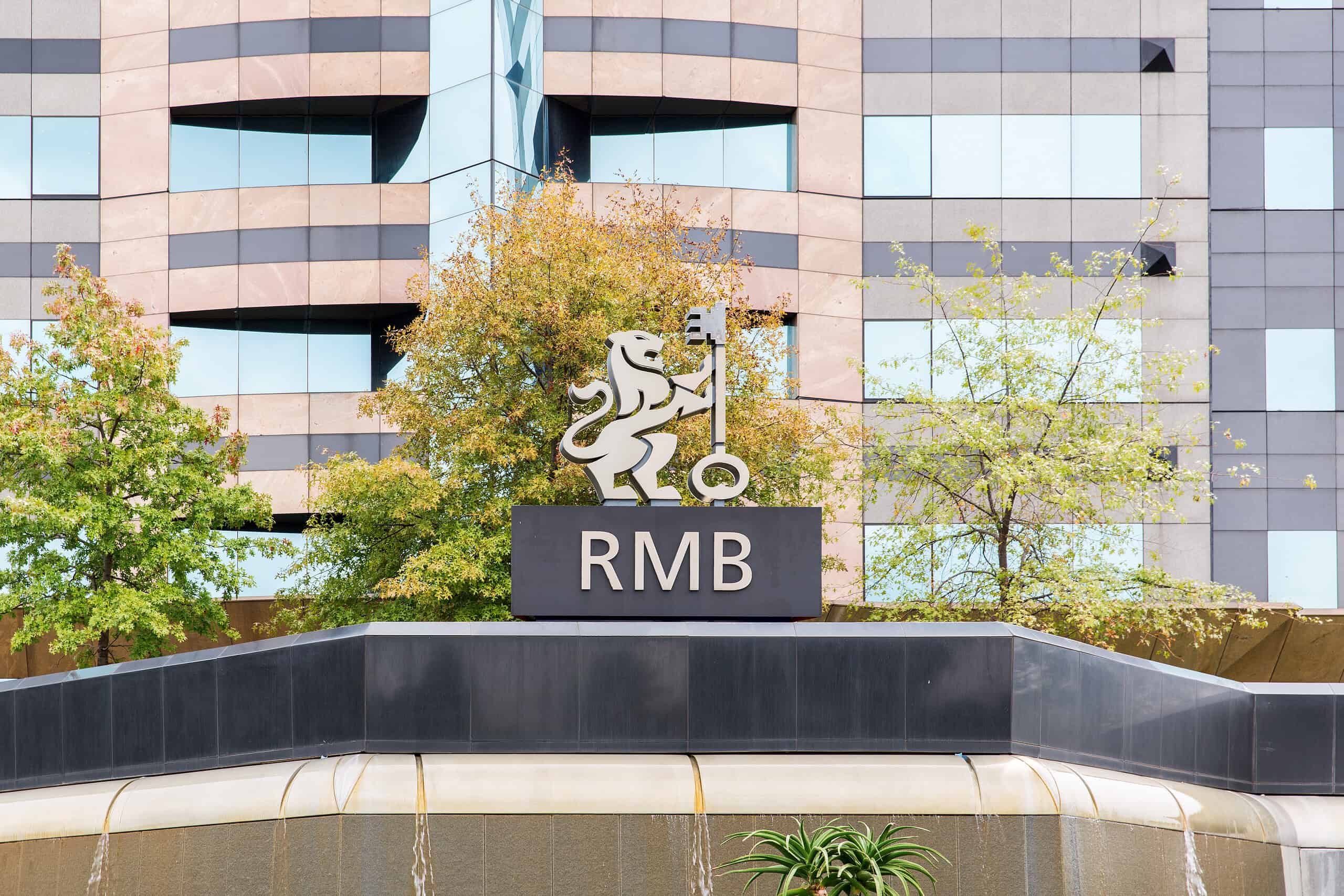
Rand Merchant Bank
In 2025, Rand Merchant Bank (RMB) posted $939.2 million in ordinary profit before tax and a 20.7% return on equity. In South Africa, the company has a 16% market share in M&A, with 24 deals worth $4.6 billion. Among the bank’s landmark deals was advising Aspen Pharmacare on the disposal of its Asia-Pacific (excluding China) assets to Australia’s BGH Capital for approximately $2.4 billion (about $1.6 billion). Markets outside of South Africa account for 21% of revenue. In Tanzania, RMB arranged a $300 million loan to finance infrastructure projects. Meanwhile in Ghana, Asante Gold’s $500 million funding package to boost production.
M&A
Standard Chartered
In recent years, Standard Chartered has been restructuring its business in Africa. The aim is to focus on high growth markets and the bank’s core competence in corporate and investment banking. By taking this route, the bank aims to ensure that it remains at the forefront of African trade, especially in M&A. Over the past 15 years, Standard Chartered has built a long track record of advising on cross-border deals in various sectors such as oil and gas, chemicals, metals and mining, healthcare, and financial services. During that time, the bank has advised on transactions with a combined value of more than $50 billion, using expertise in buy/sell side, capital raising, valuation, equity opinion, and securities advisory, among others.
This trend was maintained last year with historic deals. Among them was advising West China Cement on the purchase of the Heidelberg Materials company in the Democratic Republic of Congo, a deal worth $120 million and the bank’s third cement in Africa in 18 months. Standard Chartered also advised Norwegian sovereign wealth fund Norfund on an $86 million equity investment, shared with pension fund KLP, in Anthem, a new renewable energy company based in South Africa.
Assignments
Chapel Hill Denham
The Nigerian stock market is experiencing unprecedented growth, putting it ahead of the African pack. An important factor is the return of foreign investors, which is encouraged by the stabilization of macroeconomic conditions, especially the changes in foreign exchange. Last year, foreign transactions on the Nigerian Exchange increased by 211% to more than 2.6 trillion Nigerian naira (more than $1.8 billion), from 852 billion naira in 2024. Chapel Hill Denham remains an important consultant in organizing market activity as an outsourcing house for the most important activities. Riding on Chapel Hill’s deep industry and strong investor engagement, the company was involved in $553.4 million in deals by 2025.
The company has not only remained the preferred partner of banks pursuing restructuring ahead of the central bank’s deadline of March 31, 2026 for banks to meet new capital requirements of 500 billion naira but also strengthened its position in the Nigerian real estate investment market. Among Chapel Hill’s biggest deals was GTBank’s holding company, GTCO, which raised $105.5 million in an offering and listed shares on the London Stock Exchange (LSE). The transaction was significant, being the first listing on the LSE by a Nigerian lender.
Debt
Absa
African corporate debt markets remain underdeveloped. According to the Organization for Economic Co-operation and Development, just four economies account for 61% of outstanding debt, concentrated among a handful of lenders with access to long-term financing. Exports are heavily dependent on foreign investors and especially the dollar, while corporate debt remains below 15% of GDP in most countries—well behind the global average of 52%.
Despite this fact, Absa Bank has been at the forefront of changing the story. With global operations in all 15 markets, the bank is an active player in helping companies raise capital even as markets fluctuate. Last year, following President Trump’s tariffs, Absa helped Ecobank Transnational Inc. (ETI) in accessing international markets with a 125 million eurobond. The transaction contributed to many areas. This includes enabling ETI to refinance future debt maturities. Absa also oversaw the $500 million bond issue of Bidvest Group.