What we know about the hantavirus cases tied to the deadly cruise ship outbreak

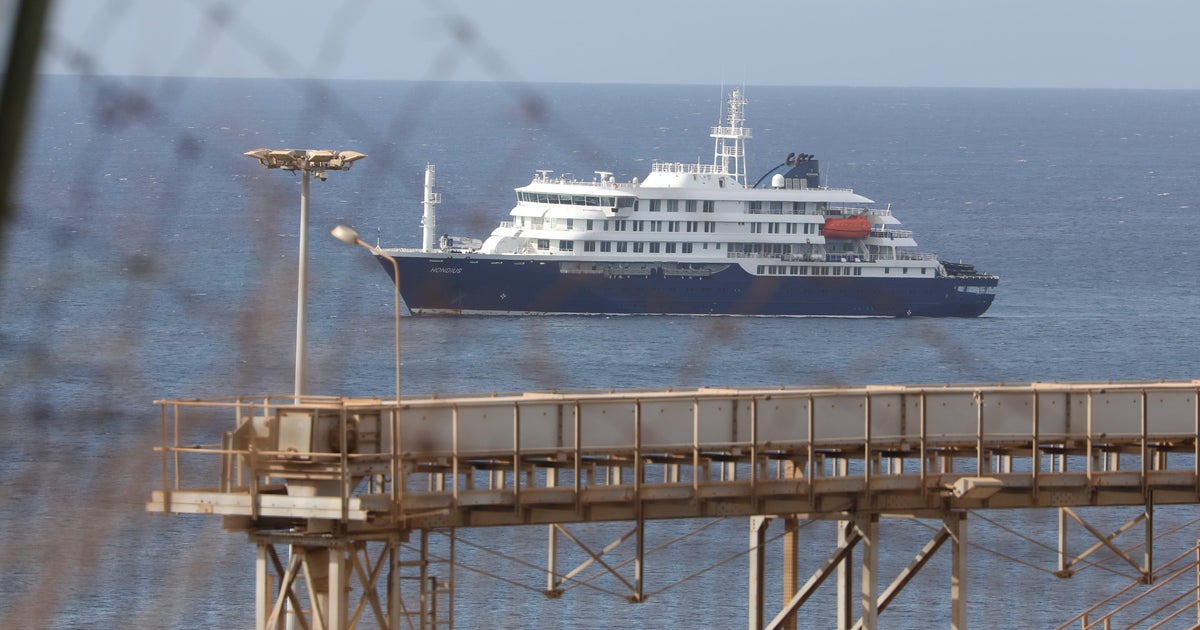
Health officials around the world continue to monitor the deadly situation hantavirus outbreak tied to the Dutch-flagged cruise ship currently heading towards the Canary Islands of Spain. So far, eight cases have been confirmed or suspected, and three of those people have died.
Hantaviruses are a family of rare viruses that are often transmitted to humans through contact with contaminated rodent droppings or saliva. They often present with symptoms of pulmonary and respiratory distress that can be severe, according to the US Centers for Disease Control and Prevention. The strain identified in the M/V Hondius outbreak is called Andes virus, the only known human-to-human hantavirus. Infection occurs through prolonged contact, health officials said.
Investigations, contact tracing efforts and isolation procedures were ongoing in many countries where citizens were returning after sailing stop at the end of April, and to people on a flight with one of the confirmed cases, said the World Health Organization. No one on the ship is currently showing symptoms of the virus, the ship’s operator, Oceanwide Expeditions, said on Thursday.
Maria Van Kerkhove, the agency’s director of epidemiology and pandemic preparedness and prevention, told reporters at a news conference Thursday that the continuation of those public health measures — and the potentially long duration of the hantavirus — means more cases could still emerge.
Here’s what you need to know about those confirmed or suspected so far.
A Dutch couple are believed to be the first cases
Oceanwide Expeditions said a 70-year-old Dutch man died on the ship on April 11. He developed symptoms less than a week ago, on April 6, WHO Director-General Tedros Adhanom Ghebreyesus said on Thursday.
Because his symptoms were similar to other respiratory infections, hantavirus was not suspected at the time of his death, and no samples were taken, Tedros said. However, it is now believed to be the first case of hantavirus on a ship.
The man’s wife, 69, left the ship on April 24 when it docked in Saint Helena, a remote British Island in the Atlantic Ocean where a number of other passengers also disembarked. He died two days later in South Africa, after his condition “became worse during the flight to Johannesburg,” the WHO said. His blood later tested positive for the Andes strain of hantavirus.
Before boarding the ship on April 1, the Dutch couple had gone on a bird-watching trip through Argentina, Chile and Uruguay, visiting areas where there was a species of rat known to carry the Andes virus, according to the WHO.
Procedures to get in touch with were there others who were on the wife’s flight from Saint Helena to Johannesburg, said Tedros on Thursday. He also told reporters that the WHO was cooperating with the countries of some of the citizens of Saint Helena.
The British passenger has been hospitalized in South Africa
On April 24, an elderly man from the United Kingdom presented to a cruise ship doctor with respiratory symptoms and other symptoms of pneumonia, according to the WHO.
His symptoms worsened on April 26, so the passenger was evacuated by doctors the next day from Ascension Island to South Africa, where he remained in the hospital’s intensive care unit. Tests confirmed that the man had Andes virus, South African health officials and the WHO said.
Van Kerkhove said on Thursday that the man’s condition is improving after officials described him as critically ill.
A German woman died on board
Another passenger, a German, died on the Hondius on May 2, officials said. According to the WHO, the woman first had a fever on April 28 and ended up with pneumonia symptoms. His body was still on board, said a crew member.
3 were relocated to the Netherlands
Officials said three people were taken off the ship on Wednesday and headed to the Netherlands for medical attention.
Two of them, a Dutch passenger and a British crew member, showed symptoms of the virus, and Oceanwide Expeditions described their conditions as critical. Van Kerkhove said the WHO learned both were “stable” on Thursday.
The third person evacuated, a German passenger, was showing no symptoms of hantavirus on Wednesday but had been in close contact with a German woman who died on May 2, the cruise line said. That person has returned to Germany, WHO said.
A Swiss man has been tested positive for HIV
A Swiss man who disembarked in Saint Helena tested positive for the Andes strain of hantavirus, according to Swiss and WHO health officials. The man developed symptoms and was evaluated in Zurich, where he is receiving care, officials said Wednesday.
The man’s wife, who was traveling with him, was not showing symptoms, but was self-isolating as a precaution, Swiss health officials said.
International monitoring efforts
The WHO is in contact with officials in at least 12 countries monitoring citizens who have returned home after the ship disembarked in Saint Helena, Tedros said. Those countries include Canada, Denmark, Germany, the Netherlands, New Zealand, Saint Kitts and Nevis, Singapore, Sweden, Switzerland, Turkey, the United Kingdom and the United States.
In the US, five state health agencies say they are monitoring the people on board: two each in Georgia and Texas, one each in Arizona and Virginia, and an unspecified number in California. None of them showed symptoms, said health departments.
The French Ministry of Health said it has identified eight French people who were in contact with a Dutch woman who died of hantavirus on a flight from Saint Helena to Johannesburg. One of those people showed mild symptoms and diagnostic tests were pending, the agency said Thursday. Others have been given isolation measures and access to testing, according to the agency.